NO SHIP LEAVES ORBIT UNSIGNED
Every struck draft holds at Sputnik Editor-1 until a person reads it and releases it. This is the constitution of the whole universe: machine generation, human launch authority — and there is no API around it.
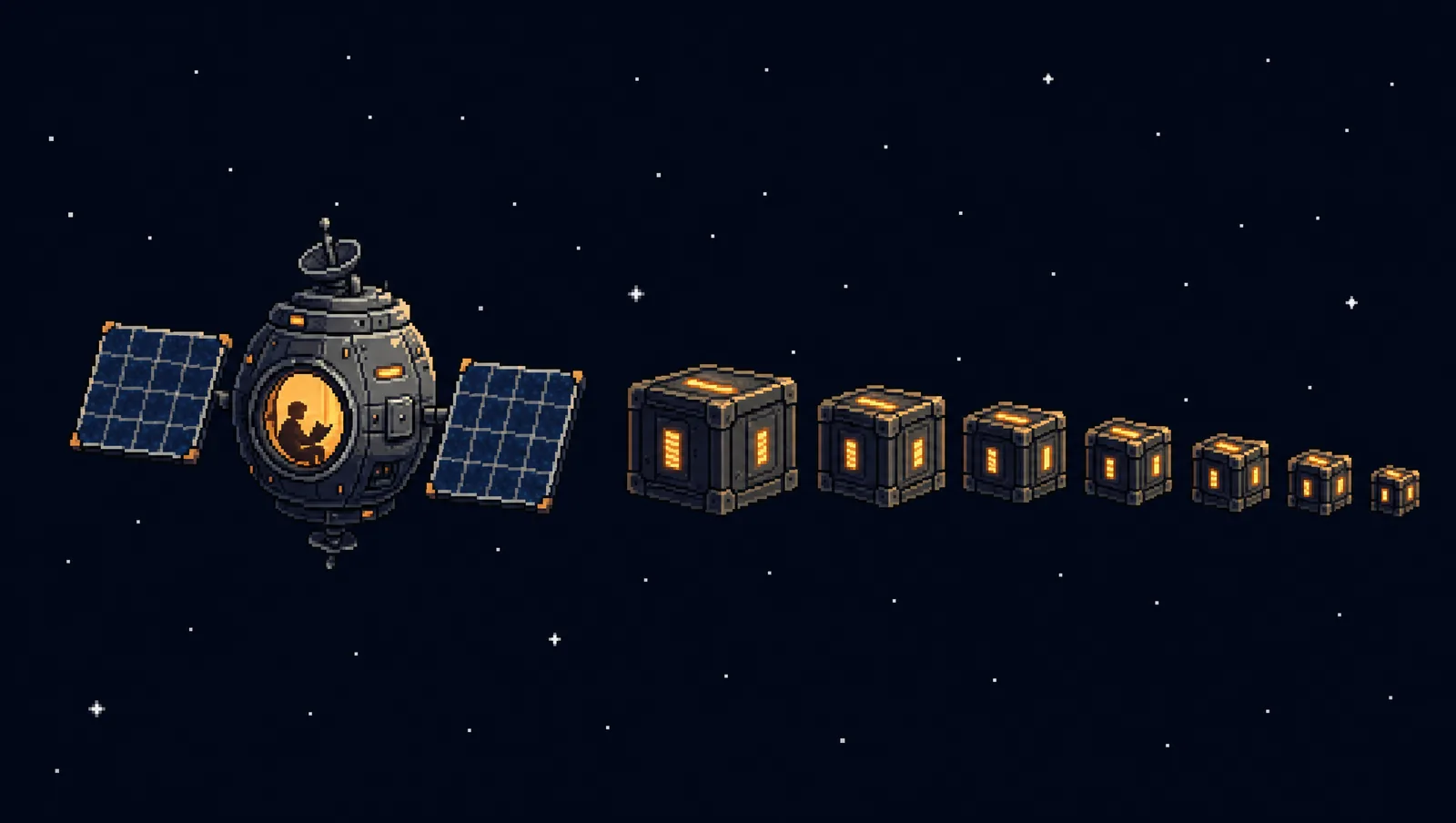
AUTOPUBLISH IS HOW ACCOUNTS DIE
The graveyard of automated content is full of systems that shipped whatever the model produced. One hallucinated claim under your brand, one tone-deaf post on the wrong morning, one subtle rights problem — and the damage lands on an account you spent years building. The industry's answer has mostly been "better prompts." Ours is: a person, structurally in the way.
A QUEUE WITH ONE KEY
A struck draft enters the queue as awaiting_review and stays there. The reviewer sees the draft with its sources and its angle; they can release it, or send it back. Release is recorded with the person's identity. The state machine has no transition from draft to published that skips a human — not as policy, as topology.
   status: "awaiting_review"   ← every draft starts here, no exceptions
   … a person reads it at Sputnik Editor-1 …
status: "released", released_by: "editor@…" ← identity attached, alwaysWHAT THE SIGNATURE IS WORTH
Nothing ships itself
The worst content failure the system can produce is a bad draft in a queue — visible, attributable, unreleased. That's a very different worst case from a bad post that's live.
Released-by is a person
Every published piece traces to who approved it. When a regulator, a client or your own team asks "who signed this off?" — the answer is a name, not a model version.
Humans do the human part
Your editor stops writing first drafts and starts doing what machines can't: taste, timing, and the decision to say no. One person's judgment now covers the whole line's output.
The sputnik is not a feature flag wearing a costume. It is the answer to the only question that matters about automated content — who is responsible? — built as architecture, so it cannot be optimized away on a busy week.
WHY THE 202 IS A CONSTITUTION, NOT A STATUS CODE